Panama is a country where driving is a necessity in many places and a helpful asset in many others. If you are considering how to ship a car to Panama, start by confirming that your vehicle can be imported and registered, then compare the complete cost with buying locally. Ocean freight is only one part of the budget: customs clearance, taxes, port charges, insurance and registration also matter.
Keeping a familiar vehicle can make sense, especially if it is reliable and suitable for your new home. However, access to public transportation, parking and local maintenance services may change your decision. Here is a practical breakdown to help you plan before relocating to Panama.
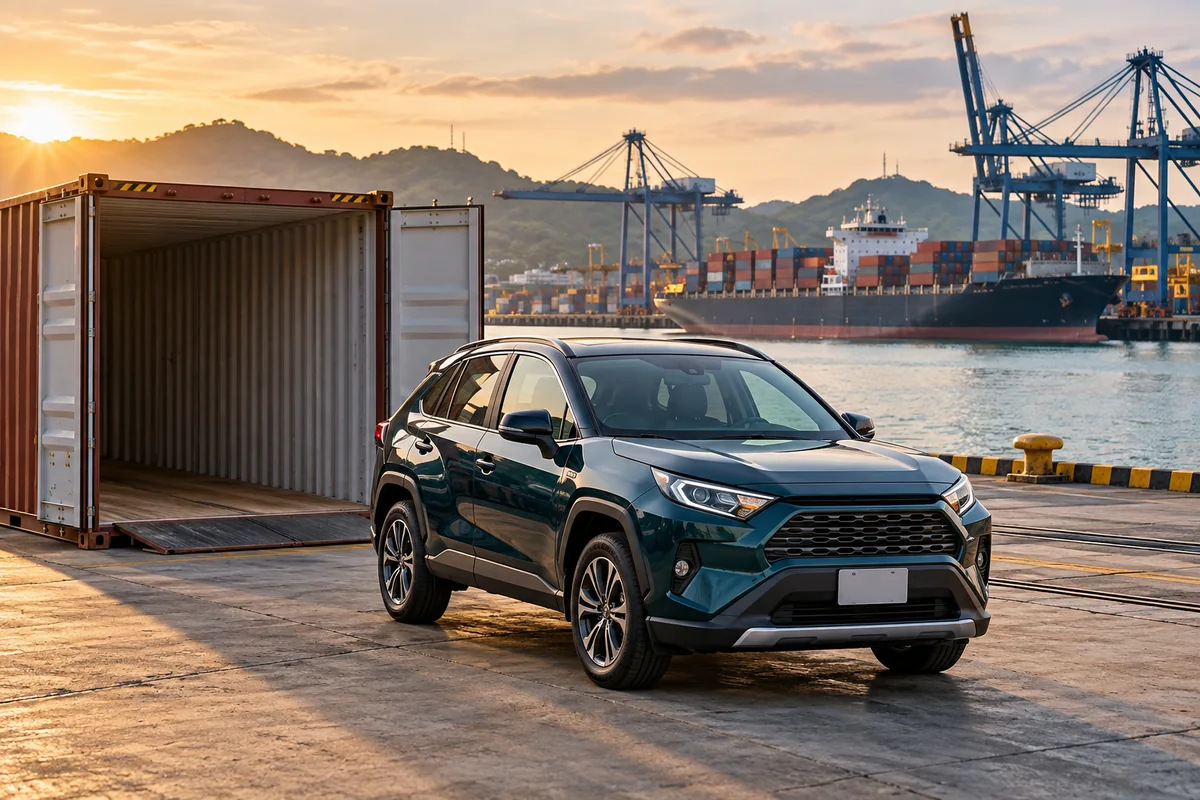
Shipping a Car to Panama: Quick Guide
- Check eligibility first: Have a licensed Panama customs broker review the vehicle’s year, VIN, title, condition and intended use before booking shipment.
- Compare shipping methods: Request container and roll-on/roll-off quotes where both services are available.
- Prepare the paperwork: Coordinate ownership documents, shipping documents, export requirements and Panama customs clearance.
- Budget beyond freight: Include taxes, destination charges, storage risks, inspections, registration and insurance.
- Confirm exemptions separately: Eligible Pensionado residents may qualify for a vehicle import-duty benefit, subject to the applicable procedure.
Can You Ship a Car to Panama?
Yes, importing a car to Panama is possible, provided the vehicle and shipment meet the applicable requirements. Approval should be checked for the specific vehicle rather than assumed from its age or purchase price alone.
Before paying a deposit, send your customs broker the make, model, year, VIN, fuel type, title documents and information about any damage or modifications. Ask for written confirmation of the import requirements and the steps needed to register it for road use.
If the vehicle is older, has a salvage or rebuilt title, has been modified, or is intended for commercial use, request a specific review. Do not assume that a general age rule or a classic-car exception applies to your case.
Permanent importation and temporary admission for a visitor are different customs procedures. If you intend to keep the vehicle in Panama, make sure the quote and paperwork cover that purpose.
Container Shipping vs. Roll-On/Roll-Off
Container Shipping
Container shipping places the vehicle inside an enclosed container. It can be useful when coordinating a car with household goods for your relocation to Panama, provided the carrier accepts the combined shipment and everything is properly declared.
Compare dedicated and shared-container options. Ask who handles loading, securing the vehicle, unloading and destination charges. An enclosed container provides protection from direct exposure, but careful handling and suitable cargo insurance remain important.
Roll-On/Roll-Off Shipping
With roll-on/roll-off, commonly called RoRo, the vehicle is driven onto and off the vessel. This can be a cost-effective option on routes where the service is available.
Carriers commonly require an operable vehicle and restrict personal belongings inside it. Confirm the rules for your shipment, including fuel level, battery condition, keys and any restrictions for electric or hybrid vehicles.
Compare the total delivered cost, not just the advertised ocean freight. A lower freight quote may exclude destination handling, customs brokerage or inland delivery.
Documents You’ll Need to Ship a Car to Panama
Use the following as a preparation checklist. Your broker and carrier should confirm which documents, originals, copies and authorizations apply to your shipment:
- Ownership documents: Vehicle title and registration, with any lender authorization or lien release needed for export.
- Invoice or value documentation: Purchase invoice, bill of sale or acceptable supporting documents when you are shipping a vehicle you already own.
- Transport document: Bill of lading with accurate vehicle and consignee information.
- Identification: Passport and immigration documents where relevant to the procedure or exemption requested.
- Customs paperwork: Import declaration and supporting documents prepared for the applicable customs regime.
- Additional approvals: Any permits, certifications or exemption authorizations required for your case.
- Insurance arrangements: Marine cargo coverage for the shipment and local motor insurance for road use in Panama.
Keep physical copies and digital backups. Make sure the owner’s name and vehicle details are consistent across the documents. Resolve discrepancies before shipment.
Shipping a Car From the United States
U.S. export formalities are separate from Panama’s import requirements. For used self-propelled vehicles, U.S. Customs and Border Protection requires export documentation at least 72 hours before export. Confirm the port’s submission procedure, title requirements and vehicle presentation arrangements before booking.
See the official CBP vehicle export guidance. Your shipping agent should also confirm any applicable electronic export filing requirements.
How Much Does It Cost to Ship a Car to Panama?
There is no single reliable price for every vehicle and route. The total depends on the departure port, shipping method, vehicle dimensions and value, insurance, customs treatment and destination services.
Request an itemized quote covering:
- Transport to the departure port and export handling.
- Ocean freight and marine cargo insurance.
- Destination terminal charges and container unloading, where applicable.
- Customs brokerage, valuation and applicable taxes.
- Storage, demurrage or detention if clearance is delayed.
- Delivery from the port.
- Required inspections, vehicle registration, plates and local insurance.
Ask which charges are fixed, estimated or excluded, and how many free days are allowed before storage-related charges begin.
Panama Vehicle Import Taxes and Customs Valuation
You will also need to consider Panama fees and taxes. The applicable calculation depends on the vehicle’s classification, customs value and any approved exemption or preferential treatment.
CIF means cost, insurance and freight. These elements are relevant to customs valuation. The amount you originally paid for your car is not necessarily the final value accepted for the import calculation.
Panama’s general ITBMS rate is 7%. Vehicle imports may also involve selective consumption tax (ISC) and other applicable charges. Do not assume that a standard import-duty percentage plus a separate “luxury tax” applies to every vehicle.
Ask your broker to identify the tariff classification, valuation basis, each applicable tax and any minimum amount before shipment. The official Panama customs tariff tool and DGI ITBMS guidance provide reference information.
Can Pensionado Residents Import a Car Duty-Free?
Eligible beneficiaries of Panama’s Pensionado program may qualify for an import-duty exemption for one vehicle for personal or family use every two years under Law 9 of 1987.
This benefit does not mean the complete shipment is free of taxes and charges. Confirm the treatment of ISC, ITBMS, freight, port charges and brokerage fees for your case. Arrange the exemption paperwork with your lawyer and customs broker before shipment.
Vehicles imported under an exemption also have restrictions on sale, leasing and other transactions. Check the consequences before transferring an exempted vehicle.
What Happens After the Car Arrives in Panama?
Arrival at the port does not automatically make the car legal to drive. Coordinate customs release and the vehicle’s road-registration process before collecting or transporting it.
- Complete customs clearance: Submit the declaration and supporting documents, resolve any inspection or valuation issues, and pay the applicable charges or obtain the approved exemption.
- Arrange release and transport: Confirm terminal requirements and whether the vehicle must be transported rather than driven.
- Complete registration requirements: Coordinate the applicable ATTT and municipal procedures, inspections and supporting certificates.
- Arrange local insurance: Obtain the required Panama car insurance before driving.
- Verify road-use documents: Confirm registration, plates and circulation requirements, along with a valid driver’s license.
Our guide to Panama vehicle license plates and registration explains the related local procedures. Customs clearance, vehicle registration and your permission to drive are separate requirements.
Reasons You Should NOT Ship Your Car to Panama
Buying locally may be the better option when the complete import cost outweighs the value of keeping your current vehicle.
- High total cost: Freight, taxes and destination expenses make a comparable local vehicle more economical.
- Limited parts or service: Local workshops cannot readily support your model or specification.
- Unresolved paperwork: Ownership, lender authorization or import eligibility remains uncertain.
- Different transportation needs: Your new home has limited parking, or you can manage with public transportation and occasional rentals.
- A short stay: Shipping and clearance are difficult to justify for the time you plan to spend in Panama.
Buying a car already registered in Panama avoids arranging your own international shipment and import clearance. However, compare the actual purchase price, taxes or fees included in the sale, ownership-transfer costs, insurance and vehicle condition.
Shipping can still make sense if your car is reliable, locally serviceable and expensive to replace with an equivalent vehicle. Compare both options using written quotes before deciding.
Frequently Asked Questions About Shipping a Car to Panama
Can I ship a car I already own?
Yes, subject to the applicable import and export requirements. Have your broker review the ownership documents and valuation evidence before booking shipment.
Can I import a car that is more than 10 years old?
Do not decide from age alone. Ask a licensed Panama customs broker to confirm the current requirements for the specific year, model, title and intended use, including whether it can be registered after importation.
Is RoRo always cheaper than container shipping?
No. Compare available routes and complete quotes, including destination charges, handling, insurance and inland transport.
Can I leave household goods inside the car?
Only if the carrier expressly permits it and the goods are properly declared. RoRo services commonly restrict belongings inside vehicles. Obtain written approval before loading anything.
Does Pensionado status remove every vehicle import expense?
No. An approved import-duty exemption does not automatically remove other taxes, freight, insurance, port charges or professional fees.
How long does shipping a car to Panama take?
Timing depends on the route, vessel schedule, transshipment and clearance process. Request separate estimates for transport and customs release, and allow for delays before arranging vehicle collection.
Can I drive the car immediately after customs clearance?
Customs release alone is not enough. Confirm the applicable registration, plates, insurance and driver’s-license requirements before using it on public roads.
Planning Your Move to Panama
Shipping a car to Panama can be a practical choice when the vehicle suits your needs and the complete budget makes sense. Confirm eligibility, prepare the documents and compare importing with buying locally before committing.
International Relocation Firm can assist with immigration and legal aspects of your move and help you understand the vehicle-related issues to coordinate with your customs broker. Contact us to discuss your Panama relocation plans.
Originally published May 22, 2025. Updated October 2026.