
Cultural etiquette in Panama helps new residents navigate everyday conversations, social invitations, and business meetings with confidence. Understanding Panama’s cultural diversity is a useful starting point.
Panama has a rich cultural landscape shaped by Indigenous, Latin American, Caribbean, and international influences. Customs vary between communities, workplaces, households, and individuals. This guide explains practical do’s and don’ts for settling in while respecting those differences.
Cultural Etiquette in Panama at a Glance
| Situation | A practical approach |
|---|---|
| Greeting someone | Begin with “Buenos días,” “Buenas tardes,” or “Buenas noches.” |
| Meeting someone for the first time | Use a polite verbal greeting and follow their lead on physical greetings. |
| Business or official appointment | Arrive on time, dress appropriately, and confirm any entry requirements. |
| Social invitation | Ask when to arrive and whether you should bring anything. |
| Restaurant bill | Check whether a suggested tip appears before deciding what to leave. |
| Photographing people or cultural activities | Ask permission and follow the host or organizer’s guidance. |
Cultural Etiquette in Panama: Essential Do’s
1. Greet People Warmly
A brief greeting is a useful way to begin an interaction with a neighbor, shop assistant, receptionist, or colleague. You do not need fluent Spanish to be polite.
- Buenos días: Good morning.
- Buenas tardes: Good afternoon.
- Buenas noches: Good evening or good night.
- Hola, ¿cómo está?: Hello, how are you? A polite form for someone you do not know well.
- Por favor / Gracias: Please / Thank you.
- Disculpe: Excuse me.
A handshake may suit a formal introduction. Cheek greetings can occur among friends or acquaintances, but they are not required in every situation. Follow the other person’s lead and respect personal comfort.
2. Show Respect for Elders and People You Have Just Met
Señor and Señora can be useful forms of address when speaking politely to adults you do not know. If someone introduces themselves by a particular name or title, use it until they suggest otherwise.
Listen without interrupting, speak courteously, and avoid assuming that everyone prefers the same degree of formality.
3. Dress Appropriately for the Setting
Panama’s warm climate makes lightweight clothing practical, but what works at the beach may not suit a business meeting, place of worship, or government office. Dress for the activity and check specific requirements before an appointment.
- Everyday errands: Choose comfortable clothing and footwear appropriate for where you are going.
- Business meetings: Clean, professional clothing is a sensible starting point; ask your contact if formal attire is expected.
- Government offices: Confirm the office’s entry rules rather than assuming shorts, sleeveless tops, or sandals will be accepted.
- Religious sites: Follow posted rules and dress respectfully.
- Beaches and pools: Keep swimwear for those settings and cover up when entering other establishments.
There is no single dress code for all of Panama. Venue rules and the purpose of your visit matter more than a blanket list of clothing to avoid.
4. Be Punctual for Business and Confirm Social Plans
Arrive on time for professional meetings, medical visits, school appointments, and scheduled services. Allow extra time for traffic and send a message if you are delayed.
For a social gathering, ask the host when guests are expected to arrive. A casual open-house invitation may work differently from a seated dinner. Do not automatically arrive 30–60 minutes late because you have heard the expression “Panama time.”
5. Use Professional Titles When Appropriate
Follow the introduction, email signature, or preferred form of address of the person you are meeting. Titles such as Doctor, Doctora, Licenciado, or Licenciada may be used in professional settings, but you do not need to guess someone’s qualifications.
Begin politely, keep your message clear, and let the relationship become less formal naturally.
6. Enjoy the Social Culture
If invited to someone’s home, thank the host and ask whether you should bring anything. A dessert or another small contribution may be welcome, but check before bringing alcohol or food that may not suit the household.
Join conversations and activities when comfortable. You can politely decline food, drinks, or dancing. A friendly explanation is enough; accepting an invitation does not mean giving up your personal boundaries.
Don’ts: Avoiding Cultural Missteps
1. Don’t Assume Everyone Speaks English
English may be available in some workplaces and visitor services, but it is not guaranteed in every interaction. Start with a greeting and ask politely whether the person speaks English.
You can say, “¿Habla inglés?” or explain, “Estoy aprendiendo español” — “I am learning Spanish.” Speak clearly, avoid unnecessary slang, and use a translation tool when helpful. For contracts, legal matters, or medical decisions, arrange suitable language assistance.
2. Don’t Make Assumptions About Politics or Social Issues
People have different opinions and experiences. With someone you have just met, avoid jokes or sweeping judgments about politics, income, nationality, religion, or the country’s institutions.
You do not need to avoid meaningful conversations entirely. Listen first, ask respectful questions, and consider whether the other person wants to discuss the subject.
3. Don’t Feel Obliged to Accept Every Offer
Thank someone for their hospitality even when you decline. “No, gracias” is a polite response. If useful, explain briefly that you do not drink alcohol, have a dietary restriction, or are already full.
Respect works both ways: hosts and guests can have different preferences without either person being rude.
4. Don’t Assume Everyone Welcomes Physical Contact
Personal space and physical greetings vary. A smile and verbal greeting are a comfortable starting point when you are unsure.
Follow the other person’s cues without feeling required to accept a hug or cheek greeting. Ask permission before photographing someone, particularly children, and respect a refusal.
5. Don’t Treat Delays as a Personal Insult
Service times can vary with staffing, demand, appointment systems, and administrative requirements. Ask what documents you need, whether an appointment is required, and how long the process is expected to take.
If something goes wrong, explain the issue calmly and ask for the next step. Patience does not mean accepting an unresolved problem; clear, respectful follow-up is usually more useful than making comparisons with your home country.
6. Don’t Disrespect Local Traditions and Festivals
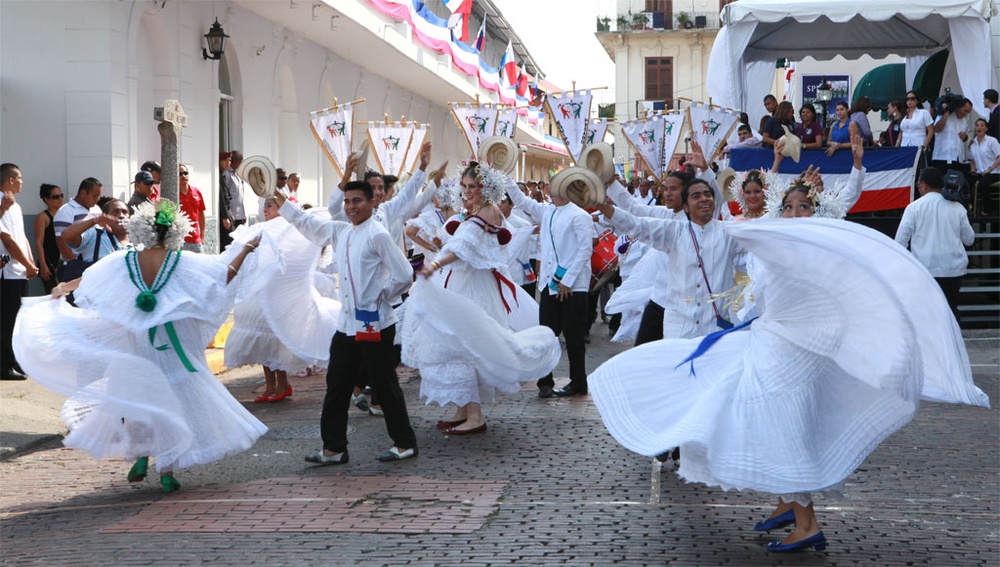
Carnival, the November fiestas patrias, Semana Santa, and community celebrations are opportunities to learn about Panama’s traditions. Their activities and atmosphere vary by location.
Follow event instructions, keep pathways clear, and ask before joining a performance or entering a restricted space. When visiting Indigenous communities, follow the community’s own guidance on photography, clothing, participation, and purchases.
For current activities, consult the official Panama tourism events calendar and confirm details with the organizer.
Tipping Etiquette in Panama
Restaurant tips are voluntary in Panama. Official consumer guidance allows a suggested tip to be shown separately from the bill. An exception applies to services contracted in advance where a tipping charge has been agreed.
Before paying, check the bill for a suggested tip and ask about any unclear charge. Decide what to leave based on the service and your preference; do not treat a suggested percentage as a universal legal requirement.
For details, see the official consumer guidance on tipping. For other services, ask about the agreed price and any charges beforehand rather than assuming one tipping rule applies everywhere.
Business Etiquette and Everyday Relationships
For a professional meeting, introduce yourself, explain the purpose of the conversation, and allow time for questions. A brief, friendly exchange can help establish rapport, but follow the other person’s pace.
- Confirm the date, time, location, and preferred communication channel.
- Bring the requested documents and keep copies where appropriate.
- Use clear language and confirm important details in writing.
- Ask before switching from email to calls or messaging.
- Respect working hours and avoid expecting an immediate reply to every message.
Apply the same courtesy to neighbors, building staff, household workers, and service providers. Learning people’s names and communicating expectations clearly can make settling into a new community easier.
Frequently Asked Questions About Cultural Etiquette in Panama
How do you say hello in Panama?
“Hola” is a simple hello. “Buenos días,” “Buenas tardes,” and “Buenas noches” are useful greetings for the time of day. Add “¿Cómo está?” when you want a polite way to ask how someone is.
What should you avoid wearing in Panama?
Choose clothing for the setting rather than following one national dress rule. Keep swimwear for beaches and pools, dress professionally for meetings, and confirm entry requirements for government offices or religious sites.
Is tipping mandatory in Panama?
Restaurant tips are voluntary. Check whether the bill includes a suggested tip. Official guidance provides an exception for services contracted in advance with an agreed tipping charge.
Should you arrive late to social events in Panama?
Do not assume lateness is expected. Ask the host when to arrive, especially for a meal or scheduled activity. Be punctual for appointments and professional meetings.
Is it rude to refuse food or a drink?
You can decline politely. Thank the host and say “No, gracias,” adding a brief explanation if you wish. Dietary needs and personal preferences should be respected.
Can you get by without speaking Spanish?
English may help in some settings, but basic Spanish makes everyday interactions easier. Arrange appropriate language assistance when the details of a legal, medical, or financial conversation matter.
Don’t Stress: Cultural Etiquette in Panama Is Easy to Adapt To
Adjusting to Panamanian culture starts with curiosity, courtesy, and a willingness to learn. Greet people, ask when unsure, and recognize that customs can differ even within the same community.
Whether you are moving for work, retirement, or family life, respectful everyday interactions can help you build positive relationships. To discuss practical support for settling in, explore our Panama Relocation services or contact us here.
Originally published February 28, 2025. Updated October 2026.