As you prepare for your journey to Panama, one of the fundamental aspects to grasp is the country’s monetary system and banking infrastructure. To help you better understand Panama money and what is the currency in Panama we will delve into the intricacies of the country’s monetary system, from its official currency to the history of its banking sector and the financial landscape.
Panama Currency: The Balboa and the US Dollar
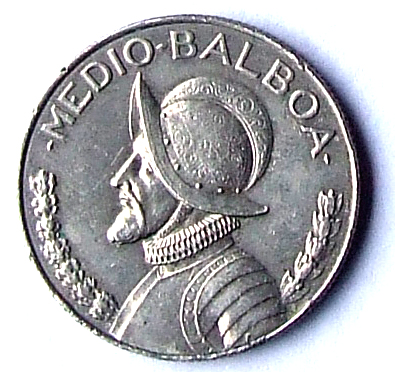
The official currency of Panama is the Panamanian balboa (PAB), named after the Spanish explorer Vasco Núñez de Balboa, who was the first European to discover the Pacific Ocean. The balboa is issued and regulated by the National Bank of Panama, and its value is pegged to the United States dollar (USD) at a fixed exchange rate of 1:1. This means that the balboa and the US dollar are used interchangeably in Panama, with both currencies being legal tender.
While the balboa is the official currency of Panama, it is primarily used in coins, with denominations ranging from 1 cent to 1 balboa. The coins bear images of Panamanian wildlife, historical figures, and national symbols, reflecting the country’s rich cultural heritage. Despite its official status, paper currency in Panama is denominated in US dollars and is printed and issued by the United States Mint. US dollar bills in denominations of $1, $5, $10, $20, $50, and $100 are widely accepted and circulated throughout Panama, alongside balboa coins.
History of Panama Currency and Banking
The use of the US dollar as Panama’s primary currency dates back to the early 20th century when the construction of the Panama Canal brought a significant influx of American workers and investment to the country. In 1904, the United States government introduced the US dollar as the official currency of the Panama Canal Zone, a US-controlled territory where construction of the canal was underway. Following Panama’s independence from Colombia in 1903 and the subsequent signing of the Hay–Bunau-Varilla Treaty with the United States, the US dollar was adopted as the official currency of Panama in 1904, alongside the Panamanian balboa.
Over the years, Panama has maintained its dual-currency system, with both the balboa and the US dollar circulating side by side. The fixed exchange rate between the two currencies has provided stability and confidence in Panama’s monetary system, attracting foreign investment and fostering economic growth. Today, Panama’s banking sector is known for its stability, transparency, and international prominence, with a robust regulatory framework overseen by the Superintendency of Banks of Panama.
Panama Banking Sector: Features and Services
Panama’s banking sector is a key driver of the country’s economy, offering a wide range of financial services to individuals, businesses, and investors. The sector is characterized by its modern infrastructure, advanced technology, and commitment to customer service, making it an attractive destination for domestic and international banking activities. Some notable features of Panama’s banking sector include:
Offshore Banking: Panama is renowned for its offshore banking services, attracting investors and businesses seeking privacy, asset protection, and tax advantages. The country’s favorable regulatory environment and tax policies have made it a preferred jurisdiction for offshore banking and company formation.
International Banking: Panama’s strategic location, well-developed infrastructure, and robust financial system have positioned it as a hub for international banking activities. Many multinational banks and financial institutions have a presence in Panama, offering a wide range of banking services to clients worldwide.
Online Banking: Panama’s banking sector has embraced digital innovation, with many banks offering online banking platforms and mobile banking apps for convenient access to account information, transactions, and financial services. Online banking in Panama provides customers with flexibility, security, and convenience in managing their finances remotely.
Private Banking: Panama’s private banking sector caters to high-net-worth individuals, offering personalized wealth management services, investment advice, and asset protection strategies. Private banks in Panama provide tailored financial solutions designed to meet the unique needs and objectives of affluent clients.
Currency Exchange: Given Panama’s dual-currency system, currency exchange services are readily available at banks, exchange bureaus, and financial institutions throughout the country. Travelers and expatriates can exchange US dollars for balboas at the fixed exchange rate of 1:1, making it easy to conduct transactions in either currency.
Navigating Panama’s Financial Landscape
As you embark on your journey to Panama, understanding the country’s monetary system, banking sector, and financial landscape is essential for navigating daily transactions, managing your finances, and making informed decisions. With the balboa and the US dollar serving as Panama’s official currencies, and a modern banking sector offering a wide range of services, you can expect a seamless and efficient banking experience in Panama.
Whether you’re a resident, expatriate, investor, or visitor, Panama’s stable currency, well-regulated banking sector, and diverse financial services ensure that your financial needs are met with professionalism, security, and reliability. From offshore banking and international transactions to online banking and private wealth management, Panama offers a wealth of opportunities for individuals and businesses alike.
At International Relocation Firm, we understand the importance of financial planning and banking services for expatriates relocating to Panama. Our team of experts is here to provide guidance, support, and resources to help you navigate Panama’s financial landscape and make the most of your expat experience. Contact us today to learn more about Panama money, banking, and relocation services tailored to your needs.