
Panama City expat neighborhoods offer different combinations of housing, walkability, healthcare access, schools, and everyday convenience. This guide compares 10 of the best neighborhoods in Panama City for expats, including Casco Viejo, San Francisco, Punta Pacifica, El Cangrejo, Clayton, Costa del Este, Obarrio, Punta Paitilla, Avenida Balboa, and Albrook & Cerro Ancón.
The best place to live depends on your routine. Start with the location of your work, school, or regular medical appointments, then compare housing and transportation costs. A neighborhood that suits a family driving to school may be less practical for someone who wants to walk to shops and restaurants.
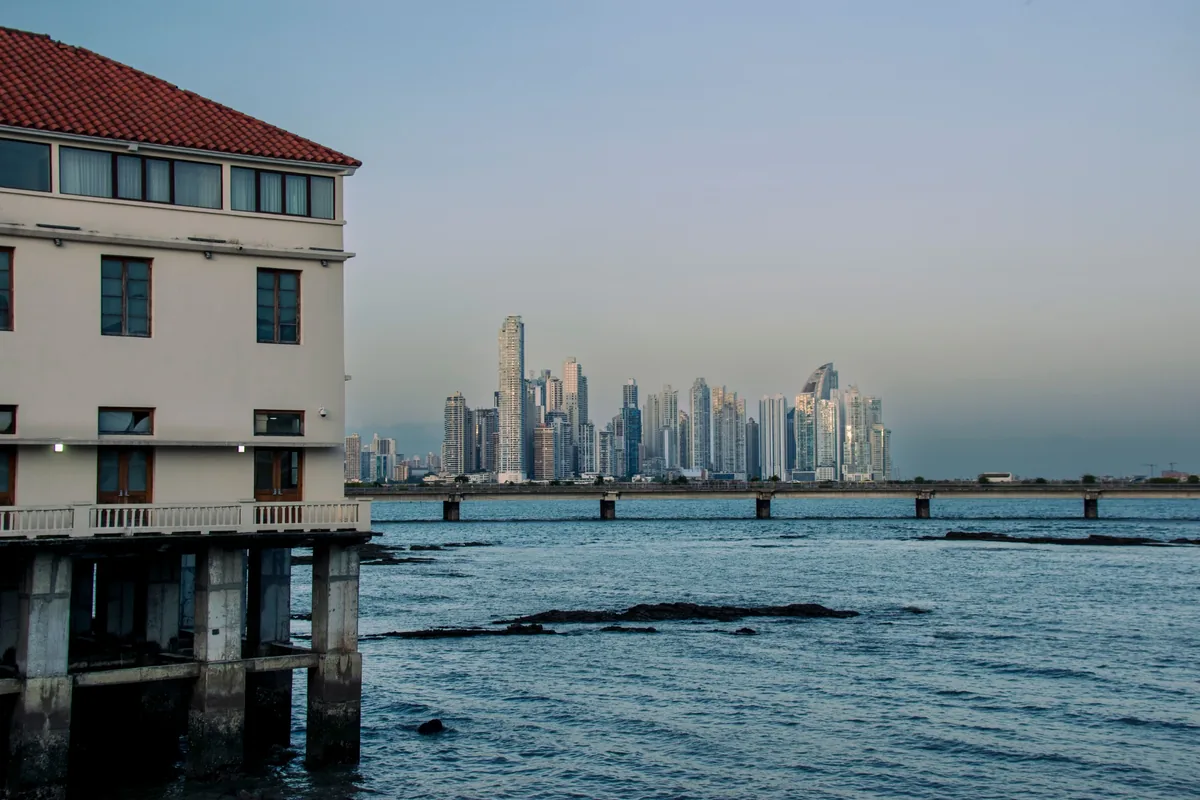
Panama City Expat Neighborhoods – Quick Highlights
- For a walkable urban lifestyle: compare El Cangrejo, Casco Viejo, and parts of Obarrio. Check the actual routes from each property.
- For families seeking greener surroundings: compare Clayton and Albrook & Cerro Ancón, then test the school and work commute.
- For modern towers and corporate offices: consider Costa del Este, Punta Pacifica, and Obarrio.
- For waterfront views: compare Avenida Balboa, Punta Paitilla, and Punta Pacifica. Views do not guarantee quiet surroundings or beach access.
- For a broad choice of central housing: include San Francisco and El Cangrejo in your search.
- Before committing: visit the property during working hours and at night, check building services, and compare the total monthly cost.
These are practical starting points, not a ranking based on an expat population census. The numbered list does not mean that one neighborhood is objectively better than another.
While this guide focuses specifically on Panama City, many expats also compare options across the country before moving to Panama. For a broader look at lifestyle and location differences nationwide, see our guide to the best places to live in Panama.
How to Choose Where to Live in Panama City
Build your shortlist around the trips you will make most often. Compare two or three neighborhoods before focusing on individual apartments.
- Work and school: test the journey at the times you would actually travel. A short distance on a map can still mean a difficult commute.
- Walking: check sidewalks, crossings, shade, hills, and the route to groceries or public transportation.
- Housing: compare usable space, furnishings, air conditioning, parking, maintenance, and building rules.
- Healthcare: check access to the providers you expect to use and confirm insurance arrangements separately.
- Noise: assess traffic, nightlife, construction, and sound insulation inside the unit.
- Budget: include utilities, internet, transportation, parking, and any charges excluded from the rent.
For families, choosing a school before signing a long lease can help narrow the search. Review our guide to choosing the best Panama school, and confirm the school’s current address, admissions requirements, and transportation options.
About the housing figures: the ranges below are retained from our September 2026 editorial review for continuity and general comparison. They are not independently verified October quotations, neighborhood averages, or completed-sale prices. Confirm current availability and asking prices for comparable properties before setting your budget.
1. Casco Viejo
Panama City’s Casco Viejo neighborhood is one of its most recognizable historic areas. Also known as Casco Antiguo, it forms part of the UNESCO-listed historic property that includes Panamá Viejo. Its colonial architecture, plazas, boutique hotels, restaurants, and cultural attractions distinguish it from the city’s modern residential districts.
Casco has undergone extensive restoration, with renovated buildings and apartments offering a combination of historic character and modern interiors. It is worth comparing if walking to dining and cultural activities matters more to you than having a large apartment or easy parking.
Housing reference ranges:
- 2-bedroom condo rent: $1,800–$2,500/month.
- 2–3 bedroom purchase price: $350,000–$600,000+.
Why consider Casco Viejo: walkable access to restaurants, plazas, cultural events, and nightlife; distinctive architecture; and a lively urban setting.
What to check: parking, nighttime noise, stairs or elevator access, building maintenance, and restrictions affecting renovations. Visit the exact street on a weekend evening before deciding whether the atmosphere suits you.
2. San Francisco
San Francisco offers a broad selection of central housing, from older residential buildings to modern condo towers. Its mix of supermarkets, restaurants, cafés, and residential streets makes it a useful starting point for couples, families, and professionals comparing Panama City neighborhoods.
The neighborhood is not uniform. An apartment close to the places you use daily can offer a different experience from one that requires driving across busy roads.
Housing reference ranges:
- 2-bedroom condo rent: $1,200–$2,000/month.
- 2–3 bedroom purchase price: $200,000–$400,000+.
Why consider San Francisco: varied housing, supermarket access, dining options, and a central location.
What to check: traffic on your actual route, sidewalk continuity, nearby construction, and the condition of older buildings. Do not assume that every part of San Francisco is equally walkable or offers the same rental value.
3. Punta Pacifica
Punta Pacifica is known for modern high-rises, ocean views, and proximity to private healthcare. It is an option for buyers and renters who prioritize building amenities and convenient access to services.
The area is home to Pacífica Salud Hospital Punta Pacífica, which states that it is affiliated with Johns Hopkins Medicine International. Hospital proximity can be useful, but confirm your preferred specialists, insurance coverage, and appointment arrangements separately.
Housing reference ranges:
- 2-bedroom condo rent: $2,200–$3,000/month.
- 2–3 bedroom purchase price: $400,000–$700,000.
Why consider Punta Pacifica: private healthcare nearby, modern towers, shopping access, and ocean-view properties. Some developments offer marina access or other amenities; confirm what belongs to the specific property.
What to check: maintenance charges, elevator service, visitor access, parking, and walking routes. Building security arrangements vary. Access to Corredor Sur does not guarantee a short airport journey during traffic.
4. El Cangrejo
El Cangrejo has long been associated with urban residential life, cafés, restaurants, neighborhood bars, and language-learning services. Its central location makes it worth comparing if you want everyday activities closer to home.
Housing includes older apartments as well as updated buildings. Compare the exact property rather than assuming that a newer tower will always offer better value or that an older apartment will always cost less.
Housing reference ranges:
- 2-bedroom condo rent: $1,200–$1,700/month.
- 2–3 bedroom purchase price: $180,000–$300,000.
Why consider El Cangrejo: cafés and shops, Spanish-learning opportunities, and routes toward Vía España and the Vía Argentina Metro area.
What to check: the walking distance to the station or bus stop, street noise, hills, and parking. English-language services may be available, but Spanish remains useful for daily life and housing arrangements.
5. Clayton (Former Canal Zone)
Located in the former U.S. Canal Zone, Clayton offers a greener, more suburban setting than the central high-rise districts. Housing includes low-rise properties and residences with a different layout and atmosphere from downtown apartments.
Ciudad del Saber, or City of Knowledge, occupies part of the former Clayton military base. Its campus is an important reference point for people considering this side of the city.
Housing reference ranges:
- 2-bedroom condo or townhouse rent: $1,400–$2,000/month.
- 2–3 bedroom purchase price: $280,000–$450,000.
Why consider Clayton: greener surroundings, former Canal Zone architecture, and access to the City of Knowledge area.
What to check: the location of your school or workplace, transport availability, humidity management, and property maintenance. A quiet setting does not necessarily mean a convenient commute to every part of Panama City.
6. Costa del Este
Costa del Este combines modern residential towers, corporate offices, shopping, dining, and planned streets. It is worth comparing for households whose work, school, or regular appointments are on the eastern side of the city.
Families should verify the location of the particular school they choose. A school described as serving Costa del Este may still require a substantial journey from a specific building.
Housing reference ranges:
- 2-bedroom condo rent: $2,000–$2,800/month.
- 2–3 bedroom purchase price: $350,000–$600,000.
Why consider Costa del Este: modern housing, corporate offices, parks, and shopping and medical facilities in the surrounding area.
What to check: peak-hour travel toward the city center, building charges, and whether your daily destinations can realistically be reached on foot. The neighborhood’s layout does not eliminate the need to plan transportation.
7. Obarrio
Obarrio sits within Panama City’s central business area. Its combination of offices, apartments, restaurants, hotels, and services makes it an option for people who want to live near work.
Housing reference ranges:
- 2-bedroom condo rent: $1,300–$2,200/month.
- 2–3 bedroom purchase price: $200,000–$500,000.
Why consider Obarrio: central access to offices and services, urban housing, and the possibility of reducing some daily car journeys.
What to check: crossings and sidewalks between the apartment and your destinations, business-hour traffic, construction, and nighttime conditions. A central address is useful only if it fits your actual routine.
8. Punta Paitilla
Often confused with Punta Pacifica, Punta Paitilla is a separate, established residential area with apartment towers, supermarkets, and access to healthcare in the surrounding districts.
Housing reference ranges:
- 2-bedroom condo rent: $1,400–$2,400/month.
- 2–3 bedroom purchase price: $200,000–$450,000+.
Why consider Punta Paitilla: established residential buildings, central services, and ocean-view options.
What to check: building age, maintenance reserves, elevators, parking, and nearby traffic. Quietness varies by street, floor, and apartment orientation; it should not be assumed for the entire neighborhood.
9. Avenida Balboa
Running alongside the Cinta Costera, Avenida Balboa offers waterfront views and access to a prominent walking and recreation corridor. It is an avenue with residential towers along it, rather than a single uniform residential neighborhood.
Housing reference ranges:
- 2-bedroom condo rent: $1,500–$2,700/month.
- 2–3 bedroom purchase price: $250,000–$650,000+.
Why consider Avenida Balboa: bay views, access to the Cinta Costera, and proximity to central districts.
What to check: traffic noise inside the apartment, pedestrian access to the promenade, sun exposure, and routes to groceries. Waterfront living here does not mean living beside a swimming beach.
10. Albrook & Cerro Ancón
Albrook and the residential areas around Cerro Ancón offer greener alternatives to the central tower districts. They are grouped here for comparison, but they are distinct locations with different streets, housing, and access routes.
Housing reference ranges:
- 2-bedroom apartment rent: $1,200–$1,900/month.
- 2–3 bedroom apartment purchase price: $160,000–$400,000+.
Why consider these areas: residential surroundings, greenery, and access to facilities on the former Canal Zone side of the city, including the Albrook shopping and transport area.
What to check: hills, walking distances, school routes, transport availability, and maintenance needs. The apartment ranges above should not be applied automatically to detached houses or larger properties.
Panama City Neighborhood Comparison for Expats
The table summarizes the housing references retained from the September review and the main lifestyle considerations. It is a shortlist tool, not a current property inventory.
| Area | Worth comparing for | 2-bedroom monthly rent* | 2–3 bedroom purchase* | Main point to check |
|---|---|---|---|---|
| Casco Viejo | Historic surroundings, dining, and cultural activities | $1,800–$2,500 | $350,000–$600,000+ | Nightlife noise, parking, and building access |
| San Francisco | Central housing choices, shops, and restaurants | $1,200–$2,000 | $200,000–$400,000+ | Walkability and traffic on the exact street |
| Punta Pacifica | Modern towers and private healthcare access | $2,200–$3,000 | $400,000–$700,000 | Building charges, amenities, and walking routes |
| El Cangrejo | Cafés, everyday services, and an urban routine | $1,200–$1,700 | $180,000–$300,000 | Noise, property condition, and transport access |
| Clayton | Greener surroundings and the City of Knowledge area | $1,400–$2,000 | $280,000–$450,000 | School and work journeys |
| Costa del Este | Modern housing and work or services on the east side | $2,000–$2,800 | $350,000–$600,000 | Peak-hour travel and daily transportation needs |
| Obarrio | Central offices, restaurants, and services | $1,300–$2,200 | $200,000–$500,000 | Pedestrian routes and business-hour traffic |
| Punta Paitilla | Established residential buildings and central services | $1,400–$2,400 | $200,000–$450,000+ | Building maintenance, elevators, and noise |
| Avenida Balboa | Waterfront views and the Cinta Costera | $1,500–$2,700 | $250,000–$650,000+ | Traffic noise and pedestrian crossings |
| Albrook & Cerro Ancón | Green residential surroundings on the Canal Zone side | $1,200–$1,900 | $160,000–$400,000+ | Exact location, hills, transport, and property type |
*Reference ranges retained from the September 2026 editorial review. They are not verified October asking prices or transaction averages. Prices vary by building, property age and condition, size, furnishings, amenities, views, and exact location. Luxury properties, detached houses, and newly constructed units may fall outside these ranges.
For a deeper breakdown of monthly expenses beyond housing, including utilities, groceries, transportation, and healthcare, see our guide to the cost of living in Panama.
What to Check Before Renting or Buying
Choosing the neighborhood is only part of the decision. Two apartments in the same area can have very different maintenance, noise, access, and running costs.
- Visit the unit at different times and test your normal commute.
- Confirm what the rent includes and who pays maintenance, utilities, repairs, and parking charges.
- Ask about pets, visitors, move-in procedures, and any restrictions relevant to your intended use.
- Check water supply arrangements, elevators, internet availability, air conditioning, and any backup systems you need.
- For a purchase, arrange legal review of ownership, outstanding obligations, and the contract before committing funds.
- Compare the property with similar units by size, condition, and furnishings rather than neighborhood name alone.
Before signing a lease or purchasing property, expats should also understand their legal status and long-term options. Panama offers several residency visa options depending on nationality, income, retirement status, or investment plans. Choosing or buying a home does not by itself establish eligibility for a residency program.
FAQs: Living in Panama City as an Expat
Where do most expats live in Panama City?
Areas commonly considered by expats include San Francisco, El Cangrejo, Costa del Este, Punta Pacifica, and Clayton. This guide does not use neighborhood-level population data to establish where a majority lives. Choose based on your routine, housing requirements, and budget rather than assuming there is one main expat district.
What is the best neighborhood for expat families?
Clayton, Costa del Este, and Albrook are useful starting points for families comparing residential surroundings and school access. San Francisco and other central areas may also fit. The best choice depends on the specific school, commute, available housing, and family budget.
Is Panama City expensive for expats?
Costs vary substantially by property and lifestyle. Premium towers and waterfront apartments can require a much larger budget than other housing options. Compare rent plus utilities, transportation, groceries, healthcare, and schooling before deciding whether the city is affordable for your household.
Should I rent before buying in Panama?
Renting first can help you assess neighborhood life, traffic, building quality, and daily costs before making a long-term commitment. It is particularly useful if you have not lived in Panama City or are still deciding where to work or send children to school.
Which Panama City neighborhoods are worth considering without a car?
Start by comparing El Cangrejo, parts of Obarrio, and Casco Viejo, then check the exact routes to your daily destinations. Walkability depends on sidewalks, crossings, weather, hills, and distances. A walkable area can still require taxis or other transportation for some trips.
Is Punta Paitilla the same as Punta Pacifica?
No. They are separate areas. Both offer apartment towers and access to central services, but buildings, street layouts, prices, and walking routes differ. Compare the actual properties rather than treating the two names as interchangeable.
Does an ocean-view apartment in Panama City offer beach access?
Not necessarily. Avenida Balboa, Punta Paitilla, and Punta Pacifica can offer bay views, but an ocean view does not mean there is a swimming beach beside the building. If beach living is your priority, compare options beyond the city using our nationwide guide.
Which neighborhood is safest for expats?
This guide does not rank neighborhoods by crime statistics. Review the specific street, building access controls, lighting, transport arrangements, and current local information. A neighborhood name or advertised security feature is not a guarantee of personal safety.
How can newcomers find an expat community in Panama City?
Look for activities that fit your interests, such as language classes, professional events, sports, volunteering, or parent groups. Living near other foreign residents can be helpful, but developing local connections and learning Spanish can also make everyday life easier.
Planning Your Move to Panama City
A useful relocation plan connects housing, transportation, schooling, healthcare, and immigration requirements. Shortlist neighborhoods first, visit suitable properties, and confirm legal and financial arrangements before signing.
Contact International Relocation Firm for assistance with Panama relocation and the legal aspects of your move.
Official Resources for Further Research
- Tourism Panama: Casco Antiguo — historic and cultural context.
- Ciudad del Saber: campus information — information about the Clayton campus.
- Pacífica Salud Hospital Punta Pacífica — hospital location and institutional information.
- Metro de Panamá — official transport information for checking routes.
Updated October 2026. Housing figures are reference ranges retained from the September review; verify current property availability and prices before making a decision.