Should you rent or buy property in Panama? Renting can be a practical first step if you are new to the country, uncertain about the neighborhood or need flexibility. Buying may suit a longer-term plan once you understand the location, can afford the full ownership costs and have completed legal and physical due diligence.
Neither option is automatically cheaper or a better investment. Compare similar properties, your expected length of stay and the costs of changing your plans. This guide brings together the main lifestyle, financial and legal questions involved in renting vs. buying Panama real estate.
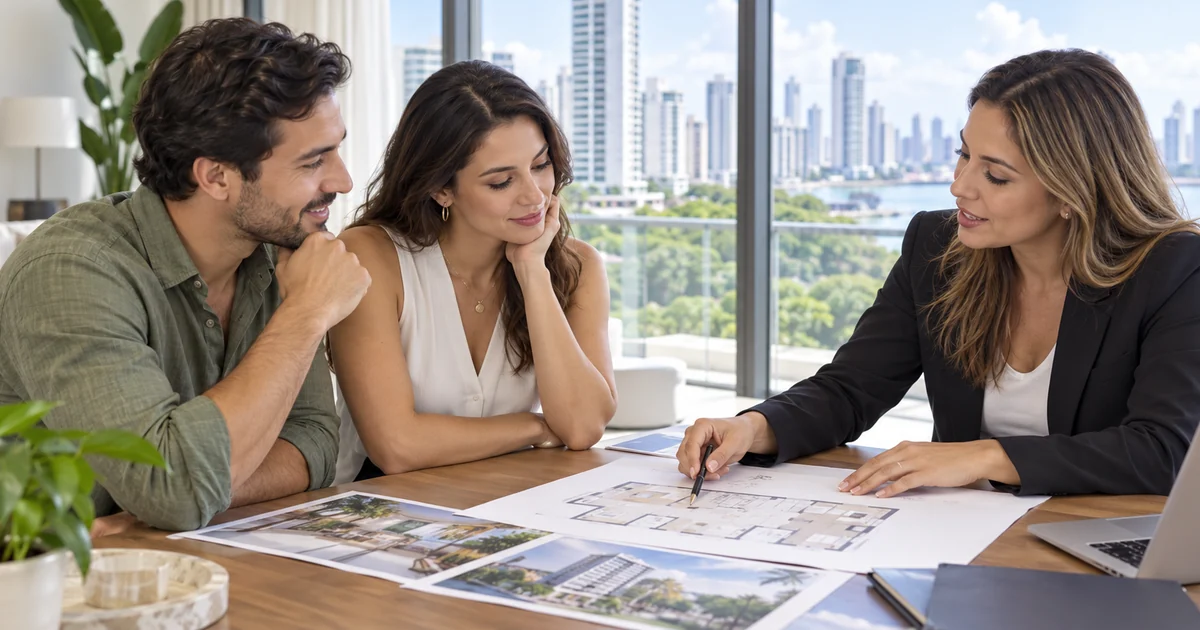
For an overview of our property services, visit Panama real estate.
Contents
- Renting vs. buying at a glance
- Why rent real estate in Panama?
- Why buy real estate in Panama?
- Compare the full costs
- Property taxes and exemptions
- Buying as a rental investment
- How to make your decision
- Frequently asked questions
Renting vs. Buying Panama Real Estate at a Glance
| Consideration | Renting | Buying |
|---|---|---|
| Initial commitment | Agreed rent, deposit and moving costs. | Purchase funds or down payment, transaction expenses and any immediate repairs. |
| Flexibility | Easier to change location after meeting lease obligations. | Moving may require a sale or arrangements to rent the property. |
| Repairs and decisions | Responsibilities depend on the lease and applicable law. | The owner generally assumes more control and financial responsibility. |
| Exposure to market changes | Rent and renewal terms may change. | Property value, resale time and ownership costs may change. |
| Potential fit | Exploring an area, a shorter stay or changing plans. | An established location and a sustainable long-term budget. |
Why Rent Real Estate in Panama?
Renting lets you test daily life before committing substantial capital. A neighborhood that seems ideal during a holiday may feel different when you consider traffic, noise, internet access, building maintenance and proximity to work, schools or healthcare.
It can also help you compare city, beach and mountain communities. Renting first is a useful option for many newcomers, but someone who already knows the area and has clear long-term plans may decide differently. Our guide to renting real estate in Panama explains the rental process in more detail.
What types of rentals are available?
Options include furnished and unfurnished apartments, detached homes and properties in residential developments. Compare current listings for the same neighborhood, size, building condition, parking and amenities. There is no single rental range that accurately describes all of Panama.
Ask what the advertised rent includes. Utilities, internet, maintenance fees and parking can materially change the monthly budget. For a furnished property, document appliances, furniture and existing damage in a signed inventory with photographs.
Lease terms and rules for renting
Before paying a deposit, confirm the landlord’s authority to rent the property and review the written agreement. Check:
- The term, renewal process, notice periods and early-termination provisions.
- The deposit, how it must be handled and the conditions for its return.
- Responsibility for repairs, utilities, maintenance fees and other charges.
- Restrictions on pets, guests, subletting and the intended use.
- Building rules and any applicable registration or other formalities.
The MIVIOT rental authority publishes information on rental-contract and deposit procedures. Have the requirements applicable to your particular lease checked rather than assuming all rentals follow identical rules.
Short-term rentals and the 45-day rule
Article 21 of Law 80 of 2012 restricts rentals for fewer than 45 days in the District of Panama by those without a tourist public-accommodation permit. It should not be described as an identical nationwide prohibition. The rule is cited in official ATP proceedings published in the Gaceta Oficial.
Before booking, buying or advertising a property for short stays, confirm the current tourism rules, permits and building restrictions. An online listing does not establish that the rental use is authorized.
Why Buy Real Estate in Panama?
Buying may provide a stable home and greater control over how you use or improve it, subject to building rules and legal requirements. It may suit someone who has chosen a location and expects to keep the property long enough to justify the transaction costs.
Ownership also brings exposure to repairs, taxes, building expenses and resale conditions. Appreciation is not guaranteed, and a property may take longer to sell than expected. The purchase should remain affordable if your circumstances change.
Due diligence before committing to a purchase
- Ownership and title: confirm the registered owner, property description and legal status.
- Recorded obligations: investigate mortgages, liens and restrictions affecting the transaction.
- Taxes and outstanding charges: check the property’s tax position, applicable exemptions and building-related debts.
- Contract terms: review deposits, payment deadlines, financing conditions, completion requirements and remedies.
- Physical condition: arrange an appropriate inspection of the property and its systems.
- Condominium management: review maintenance fees, financial information, major works and relevant meeting records.
- Permitted use: check that your intended occupation, alterations or rental activity is allowed.
See our guide to buying real estate in Panama for the legal purchase process. The ownership structure should fit your circumstances; using a company or foundation is not automatically necessary or advantageous.
Compare the Full Costs of Renting and Buying
Comparing rent with a mortgage payment alone can be misleading. Include the expenses that apply to each property and avoid counting the same item twice.
- Renting: rent, utilities and charges assigned to you under the lease, moving costs and the cash tied up in a deposit. A refundable deposit is not automatically a permanent expense.
- Buying: transaction and financing expenses, mortgage interest, insurance, property tax, maintenance fees, repairs and eventual selling costs. Separate loan principal, which builds equity, from interest and other expenses.
- Capital: consider how a purchase affects your emergency reserve and other uses of your funds.
Ask for a property-specific estimate of closing costs and confirm who pays each item under the agreement. If borrowing, compare the down payment, interest rate, loan term, insurance, fees and repayment conditions. The lender independently determines eligibility and financing terms.
There is no universal number of years after which buying becomes cheaper. Run scenarios for a shorter stay, higher repair costs, a slower resale and a lower sale price.
Property Taxes and Exemptions in Panama
Buying a home as a foreigner does not automatically provide a new 20-year property-tax exemption. Verify the property’s recorded value, tax account, any existing exemption and the conditions and remaining term of that benefit.
Separate rules apply to properties approved as patrimonio familiar tributario or vivienda principal. The DGI explains the relevant property-tax benefits, including the exempt portion up to $120,000 of cadastral value for qualifying properties and the treatment of value above that amount. Eligibility and the required application must be checked.
Annual property tax, taxes associated with a sale and tax on rental income are different matters. Have each reviewed for the transaction and your circumstances instead of relying on a general promise of tax savings.
Buying Panama Property as a Rental Investment
Evaluate an investment separately from a personal home. A property that suits your lifestyle may not produce a satisfactory rental return.
Estimate rent using comparable properties and realistic occupancy. Deduct management, maintenance, repairs, insurance, applicable taxes, tenant turnover, utilities you pay and periods without tenants. If financed, include debt service when assessing cash flow. Gross advertised rent is not net profit.
Confirm that the property’s legal status, building rules and required permissions allow the intended rental activity. Short-term rental projections are particularly sensitive to occupancy, operating costs and regulatory restrictions.
Property ownership and immigration status are separate. If the investment is also intended to support residency, assess the Qualified Investor Program or other applicable category before committing funds. Buying a property alone does not automatically grant residency.
How to Decide Whether to Rent or Buy in Panama
- Choose the area. Visit at different times and assess daily services, transport, noise and building management.
- Define your time horizon. Consider what happens if work, family or residency plans change.
- Compare similar properties. Use current local listings and verify the actual condition and included costs.
- Build a complete budget. Include initial payments, continuing costs and an emergency reserve.
- Review the documents. Check the lease or complete purchase due diligence before making a binding commitment.
- Separate your goals. A home, rental investment and qualifying immigration investment require different assessments.
For planning beyond housing, read our Panama relocation guide.
Frequently Asked Questions About Renting vs. Buying in Panama
Is it better to rent or buy in Panama?
Renting may suit newcomers and people who need flexibility. Buying may suit an established long-term plan after checking the property, documents and full budget. Neither option is automatically best for everyone.
Should I rent before buying?
Renting first can help you test a neighborhood, understand local costs and compare buildings before purchasing. Someone already familiar with the location may not need the same trial period.
Can foreigners rent or buy property in Panama?
Foreigners can enter rental agreements and purchase many types of property. The documents, property status and any restrictions must be checked for the particular transaction. Do not assume every parcel or ownership arrangement follows identical rules.
Does buying property automatically give me residency?
No. A residency applicant must meet the requirements of an applicable immigration category. A purchase intended for immigration purposes should be reviewed before signing or transferring funds.
Can I rent my property through a short-term rental platform?
Check the location, tourism permissions, current law and building rules first. In the District of Panama, the under-45-day restriction applies to those without the relevant tourist public-accommodation permit. Listing on a platform does not establish permission.
Do all new homes receive a 20-year tax exemption?
No. Do not assume a new purchase automatically qualifies. Check the specific property’s existing benefits, tax status and eligibility for any applicable exemption or principal-residence treatment.
How much does it cost to rent or buy in Panama?
Prices vary by neighborhood, property type, size, condition and date. Compare current equivalent properties and request a full breakdown of recurring and transaction costs rather than relying on a national price range.
Legal Help With Renting or Buying Panama Real Estate
International Relocation Firm assists with lease review, property due diligence, purchase contracts and the legal aspects of relocation or investment. Contact our team before signing a lease, paying a purchase deposit or relying on a property for residency purposes.
Originally published July 2, 2018. Updated November 17, 2026. This guide provides general information; legal requirements and the suitability of a transaction depend on the property and individual circumstances.