
Planning a Panama fishing trip can mean casting for peacock bass near the Panama Canal, pursuing offshore species in the Pacific, or exploring coastal waters on the Caribbean side. Panama offers very different fishing environments within a relatively compact country, but choosing the right destination, operator and season requires careful planning.
This guide explains the main fishing regions, trip styles, practical costs, safety considerations and regulatory questions travelers should review before booking. Conditions, protected-area rules and fishing regulations can change, so always confirm current requirements with your operator and the appropriate Panamanian authorities.
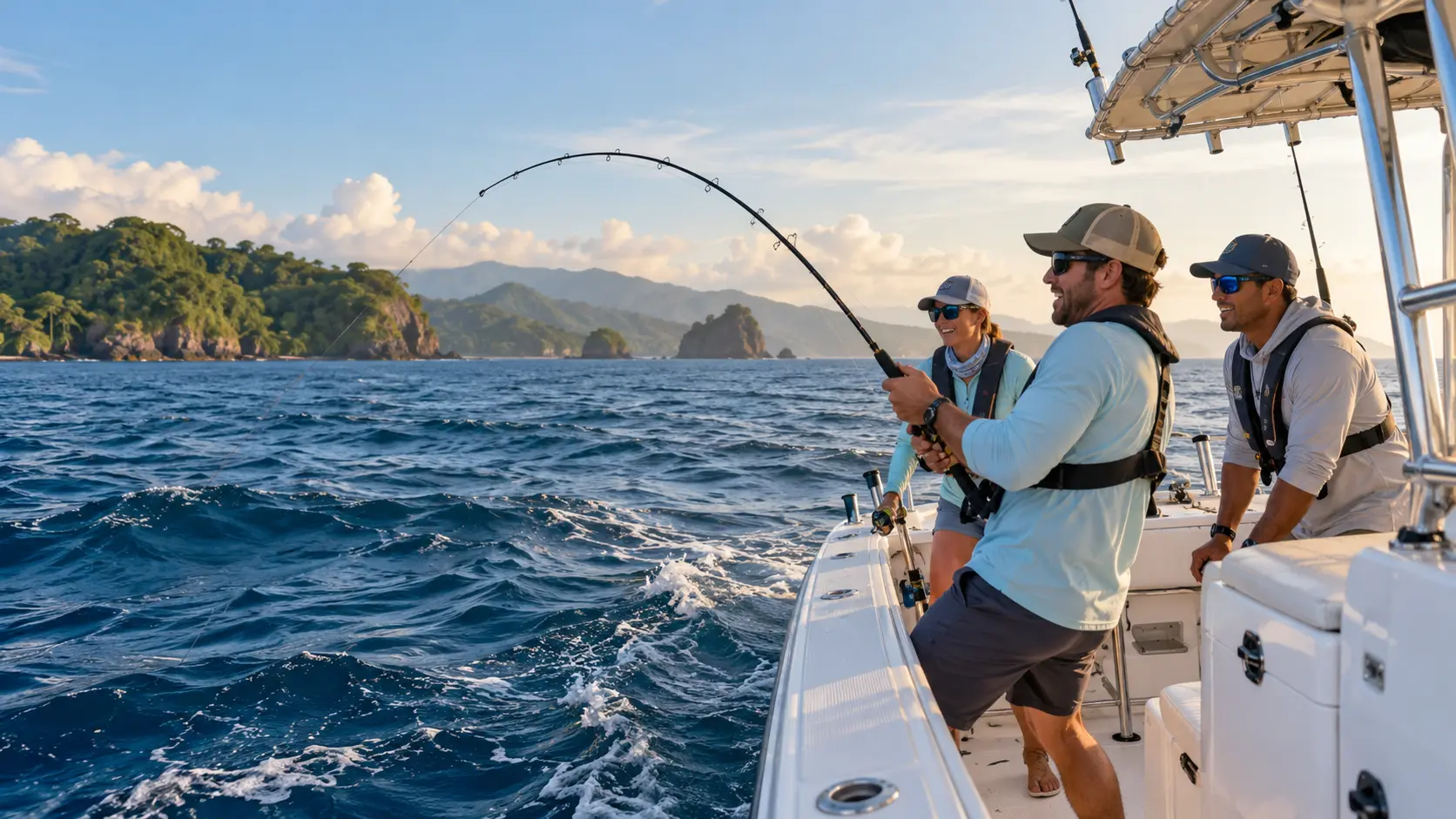
Why Go Fishing in Panama?
Panama lies between the Pacific Ocean and Caribbean Sea and contains extensive rivers, reservoirs, islands and coastal ecosystems. This geography allows visitors to choose between freshwater fishing, nearshore excursions and longer offshore trips without traveling across a large country.
The Pacific side receives much of the international attention for offshore and big-game fishing. Meanwhile, Gatun Lake and other inland waters offer more accessible freshwater outings. Caribbean destinations provide another experience, often combining fishing with beaches, boating and visits to coastal communities.
A Panama fishing vacation can work as a specialized angling trip or as one part of a broader holiday. Travelers can spend several days at a remote fishing lodge, book a single charter from Panama City or combine fishing with the Canal, beaches, wildlife and inland destinations. Our Panama vacation guide can help with the wider itinerary.
Freshwater or Offshore Fishing in Panama?
The first decision is whether you want a freshwater, coastal or offshore experience. Each requires a different boat, travel plan, budget and level of preparation.
Freshwater Fishing
Freshwater trips are generally easier to incorporate into a short stay in Panama City. Gatun Lake, part of the Panama Canal watershed, is the most recognizable option. Guided trips commonly search for peacock bass and may encounter other species depending on location and conditions.
Peacock bass are not native to Panama. Smithsonian research notes that sport fishermen introduced them to Panama in 1967 and that they later became widespread in Gatun Lake. Their presence is part of the lake’s ecological history, so anglers should follow their guide’s instructions on handling and local rules.
Nearshore and Coastal Fishing
Nearshore trips operate closer to the coast and may suit travelers who prefer shorter boat runs. The species encountered depend on the region, water conditions, depth, bait and season. Coastal trips can be a practical middle ground between an inland excursion and a demanding offshore expedition.
Offshore and Big-Game Fishing
Offshore fishing usually involves longer runs, larger boats and higher operating costs. Depending on the destination and season, operators may target tuna, dorado, wahoo, sailfish, marlin or other pelagic species.
No ethical operator should guarantee a particular catch. Weather, currents, water temperature, bait movement and fishing pressure can change quickly. A reputable captain should explain the realistic possibilities for the dates of your trip.
Best Places to Fish in Panama
Gatun Lake and the Panama Canal Area
Gatun Lake is one of the most convenient options for visitors staying in Panama City. Many departures operate near Gamboa or other accessible points around the Canal watershed. A half-day excursion may be possible, although longer trips provide more time to explore different areas.
This is primarily a freshwater and jungle experience rather than an offshore adventure. It can work well for beginners, families and travelers who want to combine fishing with wildlife observation or a Panama Canal visit.
Gulf of Panama and the Pearl Islands
The Gulf of Panama provides access to coastal and offshore waters from the capital region. Departure points, travel time and fishing grounds vary considerably, so ask exactly where the boat leaves and how much of the booked day will be spent traveling.
The Pearl Islands may appeal to travelers combining fishing with island accommodations. However, logistics, weather and the distance between islands and fishing grounds should be discussed before reserving a charter.
Gulf of Chiriquí and Boca Chica
The Gulf of Chiriquí is one of Panama’s best-known areas for serious offshore fishing. Boca Chica and nearby locations provide access to islands and Pacific fishing grounds. Some trips venture toward areas associated with Hannibal Bank, Montuosa and the broader Coiba region.
Visitors must not assume that fishing is permitted throughout every marine area. Panama maintains protected zones with specific restrictions, and some locations prohibit sport fishing entirely. Confirm the exact route, permits and authorized zones with the operator before departure.
Pedasí, Tonosí and the Azuero Peninsula
Panama’s tourism authorities identify Pedasí and surrounding Pacific destinations as areas with potential for sport fishing and active coastal tourism. These communities also offer beaches, surfing, wildlife observation and access to Isla Iguana and other attractions.
Azuero can therefore work well for travelers who want a fishing day without making angling the only purpose of their trip. Review driving time, seasonal road conditions and the charter’s departure point before choosing accommodation.
Caribbean Coast and Bocas del Toro
Fishing on the Caribbean side differs from the Pacific experience. Conditions, species and boat infrastructure vary by location. Bocas del Toro, coastal Colón and other Caribbean destinations may combine fishing with island travel, snorkeling and cultural experiences.
Because marine conditions and local regulations differ, use an operator with recent experience in the specific area. Our guide to Panama’s Caribbean coastline provides additional destination context.
Best Time for a Panama Fishing Vacation
There is no single “best month” for every Panama fishing trip. The right period depends on the region, target species, fishing method and your tolerance for rain or rough water.
Dry Season
Panama’s dry season generally offers more predictable vacation weather on much of the Pacific side. This can make transportation and family travel easier. Nevertheless, wind and ocean conditions may still affect departures, especially during seasonal trade winds.
Rainy Season
The rainy season can bring productive fishing in some regions, but travelers should expect showers, changing visibility and possible itinerary adjustments. Rain does not necessarily mean an entire day will be lost; tropical storms may be intense but localized.
Species and Seasonal Conditions
Species availability changes throughout the year. Instead of relying on a generic online calendar, ask prospective operators for recent catch information from the exact fishing grounds you will visit. Confirm whether the target species is subject to a closed season, protected-area restriction or special handling rule.
ARAP periodically publishes notices concerning fishing closures and resource management. Those notices may distinguish commercial fishing from sport fishing, so travelers should not interpret a headline without reviewing its actual scope.
Choosing Panama Fishing Charters, Lodges and Resorts
The operator usually matters more than the marketing description. A good captain should provide clear information about the boat, safety equipment, departure point, crew, fishing grounds and what happens if weather prevents the planned trip.
Questions to Ask Before Booking
- What boat will be used, and is it appropriate for the planned waters?
- Where is the exact departure point?
- How long is the boat ride to the fishing grounds?
- What safety and communication equipment is carried?
- Are fuel, tackle, bait, beverages and meals included?
- Does the crew provide fishing licenses or authorizations when required?
- Which protected areas or regulated zones may be visited?
- What is the cancellation or weather policy?
- Are catch-and-release practices used for billfish or other sensitive species?
- Can the operator accommodate children or inexperienced anglers?
Fishing Lodge or Day Charter?
A fishing lodge may include accommodation, meals, transfers and several fishing days. This can reduce logistical problems in remote parts of Panama. Nevertheless, compare what each package actually includes and whether tips, domestic transportation, alcoholic beverages, equipment or additional fuel carry separate charges.
A day charter provides more flexibility for a general Panama vacation. It is often the better option when fishing is only one part of the itinerary. Visitors staying in the capital can also explore these outdoor activities around Panama City.
How Much Does a Panama Fishing Trip Cost?
Panama fishing charter rates vary too widely for one reliable national price. The final amount may depend on:
- Half-day, full-day or multi-day duration
- Freshwater, nearshore or offshore fishing
- Boat size, fuel consumption and crew
- Distance to the fishing grounds
- Private versus shared charter
- Fishing equipment and bait
- Lodge, meals and ground transportation
- Domestic flights or remote transfers
- Licenses, park fees or other authorizations
Ask for a written quotation showing what is included. A low advertised rate may not include fuel, bait, equipment or transportation. Conversely, a higher all-inclusive price may reduce unexpected costs.
Do not send a large, nonrefundable payment before checking the business, cancellation terms and payment recipient. Confirm that the operator controls or is authorized to use the advertised boat.
Panama Fishing Licenses, Protected Areas and Regulations
Fishing rules should be verified before every trip. In June 2026, Panama published Decree No. 9 regulating sport fishing. ARAP also lists Decree No. 10 concerning sport fishing for billfish. Operators and anglers should confirm how these rules apply to their vessel, activity, fishing area and target species.
Ask the charter company whether it holds or arranges every license and authorization required for the trip. Do not assume that paying for a charter automatically resolves regulatory requirements.
Protected Areas
Protected waters may contain no-take zones, restricted zones and areas where activity requires special authorization. MiAmbiente has reiterated that commercial and sport fishing are prohibited within the Marine Reserve zone of the Coiba Ridge Managed Resources Area. Other portions of the broader protected region may operate under different management rules.
Travelers should obtain the precise route from the captain and confirm current restrictions with ARAP and MiAmbiente when protected areas are involved.
Catch, Release and Retention
Follow the captain’s instructions concerning minimum sizes, protected species, closed seasons and whether a fish may be retained. Catch-and-release should use suitable tackle and handling practices that minimize stress and injury. Never purchase wildlife products or transport fish across borders without confirming applicable rules.
What to Bring on a Panama Fishing Trip
- Lightweight, quick-drying clothing
- Long sleeves and sun-protective clothing
- Polarized sunglasses with a retaining strap
- Reef-conscious sunscreen
- Hat with secure fit
- Non-slip footwear
- Light rain jacket
- Reusable water bottle
- Motion-sickness medication, when appropriate
- Waterproof bag for documents and electronics
- Passport copy and operator contact details
- Any personal medication needed during the day
Ask whether rods, reels, tackle and bait are included before transporting your own equipment. Airlines may apply special rules to fishing rods, hooks and other gear.
Sample Panama Fishing Trip Itineraries
One-Day Trip from Panama City
Choose a freshwater Gatun Lake excursion or a charter departing from the capital region. Build enough time into the schedule for transportation and avoid booking an international flight immediately after the trip.
Long Weekend
Spend one day fishing and use the remaining time for the Panama Canal, Casco Viejo or a nearby beach. Our guide to weekend trips from Panama City provides additional ideas.
Dedicated Fishing Vacation
Plan multiple fishing days in the Gulf of Chiriquí, Azuero or another established region. Including an extra weather day can protect the trip from delays. Confirm domestic transportation and baggage restrictions before paying for a remote lodge.
Safety and Responsible Fishing
Weather and sea conditions should always take priority over the itinerary. A professional captain may delay, relocate or cancel a trip when conditions are unsafe. Treat that decision as a safety measure, not poor service.
Before departure, tell someone on land where you are going and when you expect to return. Confirm that the vessel carries life jackets, communications equipment and emergency supplies appropriate for the distance from shore.
Responsible fishing also means respecting protected areas, avoiding waste, reducing plastic use and supporting operators who follow conservation rules. Panama’s tourism authorities recognize fishing and nautical tourism as activities with potential to support coastal communities, but that opportunity depends on responsible management.
Frequently Asked Questions About Fishing in Panama
Is Panama good for fishing?
Yes. Panama offers freshwater, coastal and offshore fishing across several regions. The best destination depends on the desired species, trip duration, budget and time of year.
Where is the best fishing in Panama?
There is no single best location. Gatun Lake is convenient for freshwater fishing near Panama City. The Gulf of Chiriquí is widely associated with offshore fishing, while Azuero, the Gulf of Panama and Caribbean destinations provide different experiences.
Do tourists need a fishing license in Panama?
Requirements can depend on the activity, vessel, operator, location and applicable regulation. Panama updated its sport-fishing framework in 2026. Confirm current requirements with ARAP and obtain written confirmation from the charter company before fishing.
How much does a fishing charter cost in Panama?
Prices vary according to boat size, duration, fuel, fishing grounds and included services. Request a written quotation identifying fuel, tackle, bait, meals, transfers, licenses and cancellation terms.
Can beginners book a Panama fishing tour?
Yes. Many guides work with beginners and families. Tell the operator about each participant’s experience, age, swimming ability and medical or mobility considerations before booking.
Can I fish near Coiba?
Fishing access depends on the precise zone and current management rules. Some protected zones prohibit sport fishing, while other regulated areas may require authorization. Never assume that the entire Coiba region follows one rule; verify the planned coordinates and permissions beforehand.
Should I book a fishing resort or a day charter?
Choose a resort or lodge for a dedicated multi-day fishing vacation. Choose a day charter when fishing is one activity within a broader Panama trip. Compare the complete cost and travel time rather than only the advertised charter price.
Plan Your Panama Experience Carefully
A successful Panama fishing trip begins with choosing the right region and a responsible operator. Confirm the boat, fishing grounds, included services, safety equipment, cancellation policy and regulatory requirements in writing. Good planning will help you spend more time enjoying Panama’s waters and less time resolving avoidable logistical problems.
If you are considering a longer stay, review our guide to relocating to Panama or contact International Relocation Firm for assistance with legal and relocation matters.
Updated September 2026.