Understanding the Indigenous people of Panama offers a deeper view of the country beyond its famous canal, beaches and modern skyline. Panama is home to seven officially recognized Indigenous peoples, each with distinct languages, territories, forms of leadership and living cultural traditions.
These communities are not simply part of Panama’s past. They are an essential part of contemporary Panamanian society, contributing to the country’s art, agriculture, languages, environmental knowledge and cultural identity.
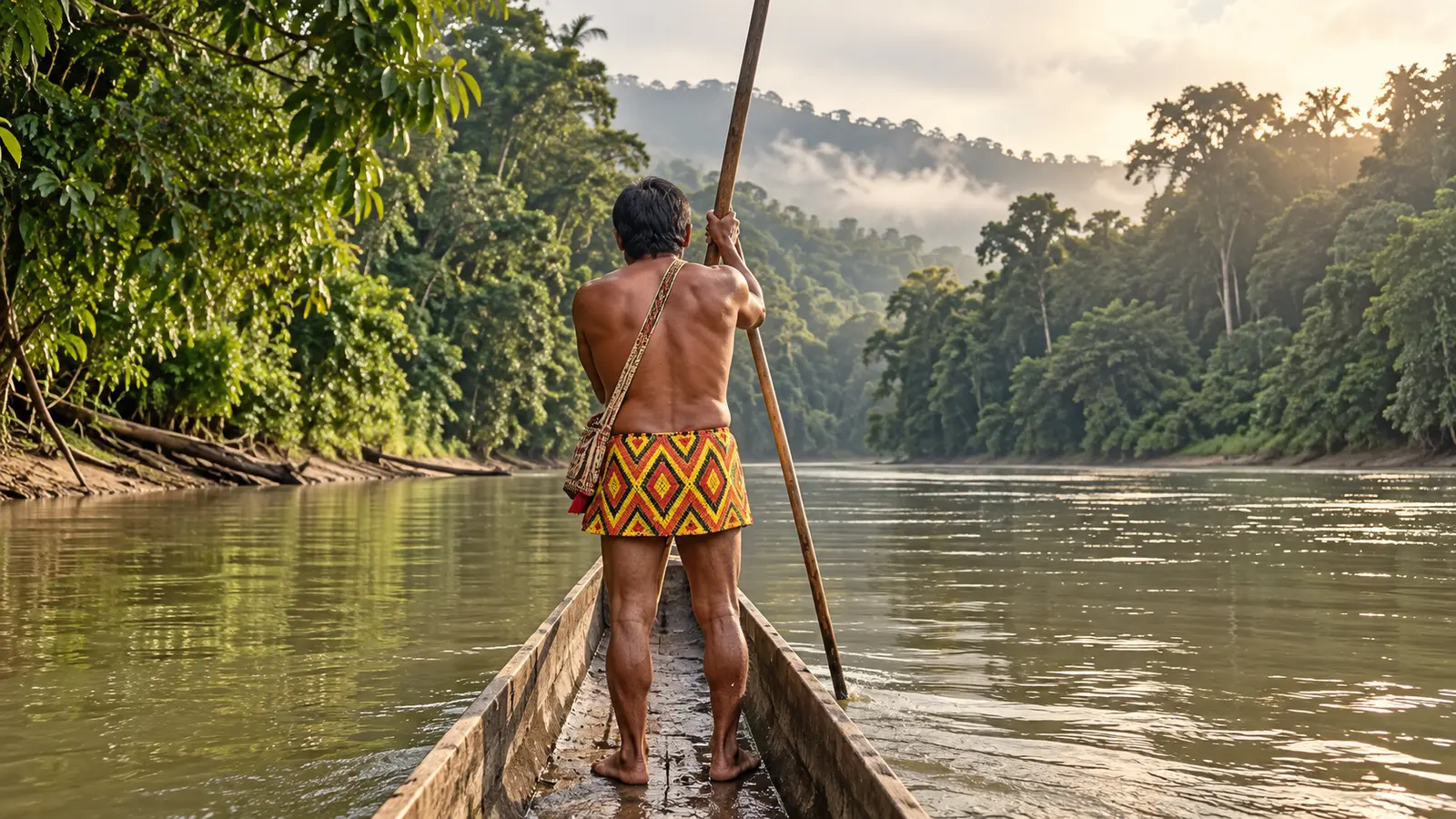
Table of Contents
Overview of the Indigenous People of Panama
The Indigenous people of Panama include the Ngäbe, Buglé, Guna, Emberá, Wounaan, Naso Tjër Di and Bribri peoples. Although they share the experience of being Panama’s original inhabitants, each people has its own identity, history and community structure.
According to Panama’s national census system, the number of residents who identify as Indigenous has grown substantially over recent decades. This reflects population growth as well as the increasing recognition and visibility of Indigenous identity in the country.
Indigenous communities live throughout Panama, including parts of Bocas del Toro, Chiriquí, Veraguas, Darién and the Caribbean coast. Others live in Panama City and other urban areas while maintaining connections with their families, languages and ancestral territories.
Many communities are located within legally recognized Indigenous territories known as comarcas. However, not every Indigenous Panamanian lives inside a comarca, and Indigenous identity should never be reduced to a particular location, style of clothing or tourist experience.
The Seven Indigenous Peoples of Panama
Panama officially recognizes seven Indigenous peoples. The following overview introduces their general locations and some of their best-known cultural traditions. It is important to remember that customs can differ between communities and families within the same people.
Ngäbe
The Ngäbe are Panama’s largest Indigenous people. Many Ngäbe communities are located in the Comarca Ngäbe-Buglé and neighboring areas of Bocas del Toro, Chiriquí and Veraguas.
The Ngäbe language, Ngäbere, remains an important part of community identity. Ngäbe women are well known for the nagua, a colorful full-length dress decorated with geometric bands. Artisans also produce woven bags, jewelry and other handmade items using knowledge passed between generations.
Today, Ngäbe families participate in agriculture, commerce, education, professional careers and national public life. Some also travel seasonally for agricultural work, particularly in coffee-producing regions.
Buglé
The Buglé are a distinct Indigenous people who share the Comarca Ngäbe-Buglé with the Ngäbe. Their language, Buglere, is different from Ngäbere, even though the two peoples have long-standing geographic and social connections.
The name of the comarca recognizes both peoples. Referring to all residents of the territory simply as Ngäbe overlooks the separate identity, language and traditions of the Buglé.
Guna
Guna communities are primarily associated with Panama’s Caribbean coast and the comarcas of Guna Yala, Guna de Madungandí and Guna de Wargandí. Guna families also live in Panama City, Colón and other parts of the country.
One of the most internationally recognized expressions of Guna art is the mola. These textile panels are created through layers of fabric, cutting, appliqué and detailed stitching. Their designs may feature geometric patterns, animals, plants or interpretations of contemporary life.
For the Guna people, molas are more than souvenirs. They are connected to identity, artistic knowledge and economic independence. Purchasing authentic work directly from Guna artisans helps ensure that the creator benefits from the sale.
Emberá
Many Emberá communities are found in Darién and within the Comarca Emberá-Wounaan. Other communities live closer to Panama City, including areas along the Chagres River.
Emberá cultural expression can include music, dance, basketry, wood carving and temporary body designs made with jagua, a natural plant-based dye. Rivers continue to play an important role in transportation, food systems and community life in many territories.
Visitors should avoid assuming that every Emberá community follows exactly the same practices. Location, access to urban centers and local community decisions all influence daily life.
Wounaan
The Wounaan share some geographic areas with the Emberá, particularly in Darién and the Comarca Emberá-Wounaan, but they are a separate people with their own language and identity.
Wounaan artisans are especially respected for finely woven baskets made from natural fibers, as well as carvings and other forms of artwork. Complex designs may require extensive preparation and many weeks or months of work.
Using the combined name Emberá-Wounaan for the comarca does not mean that the two peoples are interchangeable. Respectful writing and conversation should recognize their distinct identities.
Naso Tjër Di
The Naso Tjër Di people live primarily in the Caribbean watershed of Bocas del Toro, particularly around the Teribe and San San river areas. Their territory became Panama’s newest officially recognized comarca in 2020.
The Naso maintain their own traditional leadership and are widely known for their historical connection with the forests and rivers of western Panama. The Naso language, also known as Teribe, remains an important element of their cultural identity.
Bribri
Bribri communities live in the Talamanca region near the border shared by Panama and Costa Rica. In Panama, they are principally associated with western Bocas del Toro.
The Bribri people have their own language and community traditions. Cacao, agriculture, medicinal plant knowledge and family relationships hold cultural importance, although practices vary between communities on both sides of the international border.
Indigenous Comarcas and Self-Governance
An Indigenous comarca is a legally recognized territorial and administrative area. Panama has created several comarcas through different laws rather than establishing one identical system for every Indigenous people.
The principal Indigenous comarcas are:
- Guna Yala
- Ngäbe-Buglé
- Emberá-Wounaan
- Guna de Madungandí
- Guna de Wargandí
- Naso Tjër Di
Comarcas provide varying levels of territorial recognition and local governance. Traditional congresses, councils, chiefs and other authorities may work alongside Panama’s national and municipal institutions.
Not all Indigenous territories have the same legal status. Some communities are located on collective lands or outside a formally established comarca. Therefore, it is inaccurate to assume that every Indigenous person in Panama lives under the same territorial or governmental arrangement.
Readers seeking official demographic data can consult Panama’s National Institute of Statistics and Census. Information about government programs and Indigenous affairs is also published by Panama’s Ministry of Government.
Indigenous Languages of Panama
Spanish is Panama’s official and most widely spoken language, but the country is also home to several Indigenous languages. These include Ngäbere, Buglere, Guna, Emberá, Woun Meu, Naso and Bribri.
Language use differs considerably. Some children grow up speaking an Indigenous language at home before learning Spanish, while other families mainly speak Spanish but remain strongly connected to their Indigenous identity.
Migration, limited educational resources and the dominance of Spanish can place Indigenous languages under pressure. At the same time, community educators, writers, cultural organizations and families continue working to teach and preserve them.
Learning a few words should be approached respectfully and directly through speakers or community-led educational programs. Indigenous languages are living systems of knowledge rather than decorative elements of Panamanian folklore.
Panama Traditions and Indigenous Cultural Heritage
Many searches for Panama traditions focus on festivals, clothing or food. However, the traditions of the Indigenous people of Panama also include systems of leadership, oral history, relationships with the environment, agricultural knowledge and community responsibilities.
Textiles, Basketry and Carving
Guna molas, Ngäbe clothing and bags, and Emberá and Wounaan basketry are among Panama’s best-known Indigenous art forms. Each piece may communicate personal creativity, family knowledge and cultural identity.
Authentic handmade work requires skill and time. Visitors should ask who created an item, buy directly from artisans whenever possible and avoid aggressively negotiating prices for labor-intensive pieces.
Music and Dance
Music and dance continue to accompany community celebrations, cultural presentations and important events. Instruments, rhythms, clothing and the meaning of a performance differ among Indigenous groups in Panama.
A dance presented to visitors may represent only one part of a community’s cultural life. Sacred or private ceremonies are not necessarily open to tourists, and access should always follow the community’s rules.
Food, Farming and the Environment
Agriculture, fishing and forest resources remain important in many communities. Crops may include plantains, bananas, cacao, corn, rice, cassava and other products adapted to local environments.
Indigenous environmental knowledge is built through generations of living with Panama’s rivers, forests, islands and coastal ecosystems. Nevertheless, Indigenous families also use modern technology, attend universities, operate businesses and work in every area of contemporary society. Tradition and modern life are not opposites.
Visiting Indigenous Communities Respectfully
Community-based tourism can allow travelers to learn directly from the Indigenous people of Panama while creating local income. A respectful visit begins by recognizing that the destination is someone’s home, not an attraction created solely for outsiders.
- Choose tours operated by or developed in partnership with the community.
- Ask permission before photographing or recording anyone.
- Respect areas that residents identify as private or sacred.
- Follow local instructions concerning clothing, trails, rivers and wildlife.
- Do not distribute money, candy or gifts to children without community approval.
- Purchase crafts directly from their creators when possible.
- Listen without expecting one guide to speak for every Indigenous person.
- Avoid presenting poverty, traditional clothing or rural housing as entertainment.
Before visiting, confirm transportation arrangements, weather conditions and what the community includes in the experience. Some destinations require river travel or access through areas where schedules can change.
Travelers should also understand that not all communities offer tourism. The absence of a visitor program does not make a community an inaccessible culture to be discovered; it means its privacy and decisions must be respected.
Present-Day Challenges and Cultural Continuity
Indigenous communities in Panama continue to protect their languages, territories and political representation while participating in a rapidly changing national economy.
Challenges can include access to healthcare, education, transportation, electricity, clean water and reliable communications, particularly in remote areas. Land use, resource development and environmental change may also affect communities whose livelihoods are connected to forests, rivers and coastal ecosystems.
These challenges should not define the Indigenous people of Panama solely through hardship. Indigenous leaders, teachers, artists, entrepreneurs, professionals and young people actively shape their communities and Panama’s future.
Cultural continuity does not require communities to remain unchanged. Languages, artwork and traditions can evolve while retaining meaning and connection to collective identity.
Frequently Asked Questions About the Indigenous People of Panama
How many Indigenous groups are there in Panama?
Panama officially recognizes seven Indigenous peoples: the Ngäbe, Buglé, Guna, Emberá, Wounaan, Naso Tjër Di and Bribri.
What is the largest Indigenous group in Panama?
The Ngäbe are the largest Indigenous people in Panama. Many live in the Comarca Ngäbe-Buglé and surrounding areas of western Panama.
What are Panama’s main Indigenous languages?
Indigenous languages spoken in Panama include Ngäbere, Buglere, Guna, Emberá, Woun Meu, Naso and Bribri. The number of speakers and everyday use vary by community.
Is “Indigenous tribes of Panama” the correct term?
People often search for “Indigenous tribes of Panama,” but Indigenous peoples or the name of the specific people is generally more accurate and respectful. Each community may have its own terminology and preferences.
What are the Indigenous comarcas of Panama?
The principal comarcas are Guna Yala, Ngäbe-Buglé, Emberá-Wounaan, Guna de Madungandí, Guna de Wargandí and Naso Tjër Di. Their legal and administrative structures are not identical.
Are the Emberá and Wounaan the same people?
No. The Emberá and Wounaan are distinct Indigenous peoples with separate languages and identities. Their names appear together in the Comarca Emberá-Wounaan because both peoples live within the territory.
Who were the Chánguena Indigenous people of Panama?
The name Chánguena, sometimes written Chánguina in historical sources, refers to an Indigenous population documented in western Panama during earlier periods. It is not listed among Panama’s seven currently recognized Indigenous peoples. Historical terminology can vary, so the name should not be used as a substitute for the identities of present-day communities.
Can tourists visit Indigenous communities in Panama?
Yes, some communities operate or authorize cultural and nature-based tourism programs. Visitors should select community-supported experiences, ask permission before taking photographs and follow local rules.
Where do Indigenous people live in Panama?
Indigenous Panamanians live in comarcas, collective lands, rural communities and cities throughout the country. Significant populations are found in Bocas del Toro, Chiriquí, Veraguas, Darién and Caribbean coastal areas.
Learning About Panama Before You Relocate
Understanding Panama means recognizing the living cultures, territories and contributions of its Indigenous peoples. Whether you are visiting, investing or planning to move to Panama, learning about the country’s cultural diversity will help you approach your new surroundings with greater knowledge and respect.
International Relocation Firm assists individuals and families with immigration, relocation and settling in Panama. If you are preparing for your move, contact our team to discuss your residency and relocation needs.
Updated September 2026.