Casco Viejo Panama is the historic heart of Panama City: a walkable district of cobblestone streets, plazas, churches, museums and restored buildings overlooking the Pacific Ocean. Also known as Casco Antiguo or the Historic District of Panama, the neighborhood offers a striking contrast to the modern skyline visible across the bay.
Visitors come here to experience Panama’s history, architecture and culture in one compact area. Beyond its colorful façades and rooftop restaurants, Casco Viejo remains an active neighborhood where residents, religious institutions, government offices and local businesses share the same historic streets.
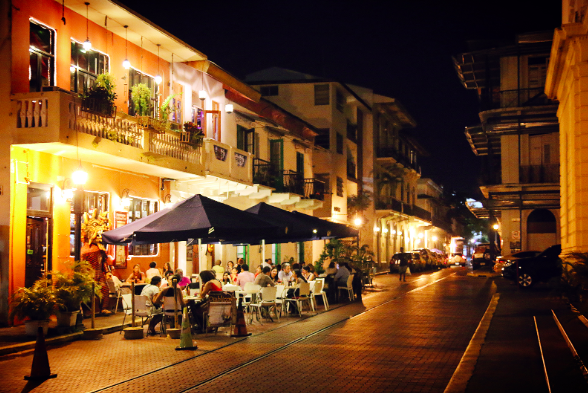
What Is Casco Viejo Panama?
Casco Viejo is the historic district established in 1673 following the destruction of the original settlement now known as Panamá Viejo. The new city occupied a more defensible peninsula near Ancón Hill and was protected by walls facing the sea.
The neighborhood is located in San Felipe, close to Panama City’s modern urban center. Its formal name is the Historic District of Panama, although most residents and visitors call it Casco Viejo, Casco Antiguo or simply “El Casco.”
Its streets reflect different chapters of Panamanian history. Colonial churches stand near Republican-era government buildings, French-influenced balconies and residences restored as hotels, restaurants, galleries and cultural spaces.
Casco Viejo and Panamá Viejo: What Is the Difference?
The similar names frequently cause confusion, but they refer to two different places.
- Panamá Viejo is the archaeological site of the original Panama City, founded in 1519. Its ruins are located east of the present-day city center.
- Casco Viejo is the fortified settlement established in 1673 after the original city was attacked and destroyed. It remains a living urban neighborhood.
The two sites represent consecutive stages in Panama City’s history. UNESCO recognizes them together as the Archaeological Site of Panamá Viejo and Historic District of Panama. Visitors interested in the complete story should consider visiting both locations.
A Brief History of Casco Viejo Panama
Panama City occupied an important position along the commercial routes connecting the Pacific and Atlantic oceans. After the destruction of the original city in 1671, Spanish authorities relocated the settlement approximately eight kilometers away to a peninsula that offered better natural defenses.
The new city officially opened in 1673. Walls and bastions protected its perimeter, while streets were organized around plazas, religious buildings and government institutions. Plaza de la Independencia—also called Plaza Catedral—became its principal civic space.
Over the following centuries, Casco Viejo changed along with Panama. Spanish colonial traditions influenced its earliest structures. Later buildings incorporated French, Caribbean and Republican architectural elements. The construction of the transisthmian railroad and Panama Canal brought additional people, businesses and international influences to the city.
As Panama City expanded during the twentieth century, many families and businesses moved to newer neighborhoods. Parts of the old district deteriorated, but its churches, plazas and residential buildings preserved an extraordinary record of the country’s urban history.
Restoration efforts subsequently transformed numerous properties and public spaces. Today, renovated buildings exist alongside structures awaiting conservation, illustrating that Casco Viejo is not a reconstructed historical attraction but an evolving community.
Casco Viejo Architecture and UNESCO Heritage
Casco Viejo architecture is one of the neighborhood’s most distinctive features. Rather than representing a single period, its buildings reveal several centuries of development.
Visitors will encounter masonry structures, interior courtyards, wooden balconies, decorative ironwork, tall windows and façades painted in varied colors. Some buildings preserve Spanish colonial characteristics, while others reflect French and Caribbean influences or the Republican period of the nineteenth and early twentieth centuries.
The historic district forms part of a UNESCO World Heritage property. Its value comes not only from individual monuments but also from its street plan, plazas, surviving defensive structures and relationship with Panamá Viejo.
Preservation requires balancing historic character with the needs of residents, businesses and visitors. Responsible restoration can protect architectural details while adapting buildings for modern use. Visitors can contribute by respecting private residences, supporting local enterprises and following the rules established at museums, churches and protected sites.
Historic Places to Visit in Casco Viejo
Plaza de la Independencia
Plaza de la Independencia is the principal square of Casco Viejo. Important buildings surrounding it include the Metropolitan Cathedral Basilica of Santa María la Antigua, the Panama Canal Museum and the Municipal Palace.
The plaza is an excellent starting point for understanding the district’s layout. From here, visitors can continue toward nearby churches, museums and smaller public squares.
Metropolitan Cathedral Basilica
The cathedral is one of Casco Viejo’s most recognizable religious landmarks. Its stone towers and position facing Plaza de la Independencia make it central to the architectural composition of the historic district.
Because it remains an active religious building, visitors should dress appropriately and avoid disrupting services or ceremonies.
Plaza de Francia and Las Bóvedas
Located near the waterfront, Plaza de Francia commemorates the French contribution to early Panama Canal construction. Monuments and historical displays explain part of this ambitious and difficult undertaking.
Beside the plaza, the Paseo Esteban Huertas extends above Las Bóvedas, a series of former defensive vaults. The walkway offers views toward the modern skyline, the Pacific entrance of the Panama Canal and portions of the Cinta Costera.
Church of San José and the Golden Altar
The Church of San José is known for its ornate Golden Altar. It is connected to one of Casco Viejo’s best-known historical legends, which tells how a priest protected the altar during the attack on the original city.
Although different versions of the story have circulated over time, the church remains an important religious and cultural landmark.
Plaza Bolívar and Plaza Herrera
Plaza Bolívar offers a pleasant setting surrounded by historic buildings, restaurants and the Church of San Francisco de Asís. Plaza Herrera is another important gathering space and honors General Tomás Herrera.
Walking between the plazas is one of the easiest ways to appreciate the changing architecture and atmosphere of Casco Viejo Panama.
Museums and Cultural Spaces
The district contains several museums and cultural institutions. The Panama Canal Museum explores the history and international significance of the canal, while other spaces present religious art, Panamanian history and contemporary culture.
Opening days, admission prices and exhibition schedules can change. Check each institution’s official information before planning your visit.
Things to Do in Casco Viejo Panama
Casco Viejo rewards unhurried exploration. Instead of treating it as a checklist of landmarks, allow time to walk between its plazas and observe the architectural details along the way.
- Take a guided historical or architectural walking tour.
- Visit churches, museums and cultural centers.
- Walk along Paseo Esteban Huertas and the waterfront.
- Browse local craft shops, galleries and independent businesses.
- Try Panamanian food or locally grown coffee.
- Watch the sunset from a public viewpoint or rooftop establishment.
- Photograph the contrast between the historic district and modern Panama City.
The neighborhood also has an active dining and nightlife scene. However, its cultural value extends well beyond restaurants and entertainment. Taking time to learn about the area’s residents, religious sites and conservation challenges produces a more meaningful visit.
Practical Tips for Visiting Casco Viejo
- Explore on foot: Many attractions are close together, and walking is the best way to appreciate the district.
- Wear comfortable shoes: Cobblestone streets and uneven sidewalks can make unsuitable footwear uncomfortable.
- Prepare for the weather: Panama City is generally hot and humid. Carry water, use sun protection and expect seasonal rain.
- Check schedules: Churches, museums and cultural attractions may have different operating hours.
- Plan transportation: Parking inside the historic district is limited. Taxis and ride-sharing services are common alternatives.
- Respect the community: Casco Viejo includes private homes and active places of worship. Ask before photographing residents and observe posted restrictions.
- Use normal urban precautions: Protect personal belongings and obtain current local guidance, especially when walking outside the principal visitor areas.
Living Near Panama City’s Historic District
Casco Viejo is also relevant to people considering a longer stay or relocation. The district offers historic surroundings, restaurants and proximity to central areas of Panama City, but living in a protected neighborhood differs from staying there as a visitor.
Prospective tenants and buyers should evaluate building condition, noise, parking, access, maintenance obligations and any restrictions affecting historic properties. They should also compare the neighborhood with other areas based on their daily routine and budget.
If you are exploring a move, our Panama relocation services can help you understand the practical stages of establishing yourself in the country. Investors may also read our guide to investing in Panama.
Frequently Asked Questions About Casco Viejo Panama
Is Casco Viejo the same as Casco Antiguo?
Yes. Casco Viejo and Casco Antiguo are commonly used names for the Historic District of Panama, located in the San Felipe neighborhood of Panama City.
Is Casco Viejo the same as Panamá Viejo?
No. Panamá Viejo contains the ruins of the original city founded in 1519. Casco Viejo is the later settlement established in 1673 after the destruction of the original city.
How much time should you spend in Casco Viejo?
A few hours are sufficient for a general walk through the main plazas. Visitors interested in museums, architecture, churches and dining can comfortably spend most of a day in the district.
Is Casco Viejo walkable?
Yes. The principal historic attractions are concentrated within a relatively compact area. Visitors should wear comfortable shoes because some streets and sidewalks are uneven.
Experience the History and Culture of Casco Viejo
Casco Viejo Panama brings together more than three centuries of history, varied architectural traditions and contemporary city life. Its plazas, churches, waterfront views and cultural institutions make it one of the most rewarding areas to explore in Panama City.
Whether you are planning a short visit, researching Panama’s past or considering relocation, approach the neighborhood as a living community rather than simply a collection of picturesque buildings.
For personalized guidance about visiting, relocating to or establishing yourself in Panama, contact International Relocation Firm.
Official references: Learn more from the UNESCO World Heritage Centre and the official Visit Panama Casco Antiguo guide.
Originally published October 15, 2023. Updated September 2026.